Blender (.py) Scripts...
Automating Blender ..
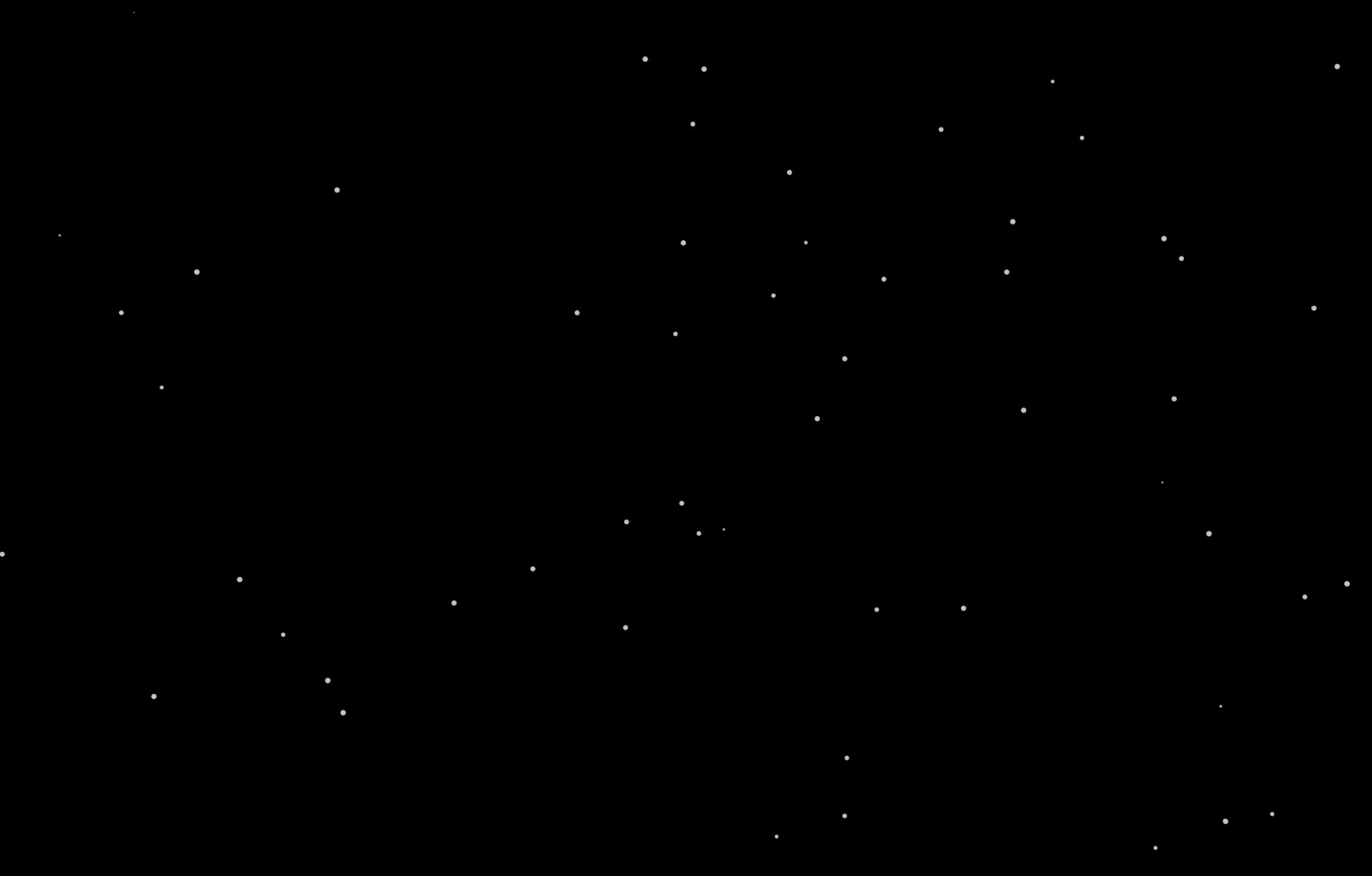
Starfield
Generate a background that looks like stars (space).
<?php
import bpy
# Clear the scene
bpy . ops . object . select_all ( action = 'SELECT' )
bpy . ops . object . delete ( use_global = False )
# Ensure world uses nodes
world = bpy . data . worlds [ "World" ]
world . use_nodes = True
nodes = world . node_tree . nodes
links = world . node_tree . links
nodes . clear ()
# Create nodes
tex_coord = nodes .new( "ShaderNodeTexCoord" )
mapping = nodes .new( "ShaderNodeMapping" )
voronoi = nodes .new( "ShaderNodeTexVoronoi" )
color_ramp = nodes .new( "ShaderNodeValToRGB" )
background = nodes .new( "ShaderNodeBackground" )
output = nodes .new( "ShaderNodeOutputWorld" )
# Set locations for clarity
tex_coord . location = (- 1000 , 0 )
mapping . location = (- 800 , 0 )
voronoi . location = (- 600 , 0 )
color_ramp . location = (- 400 , 0 )
background . location = (- 200 , 0 )
output . location = ( 0 , 0 )
# Configure Voronoi Texture
voronoi . feature = 'F1'
voronoi . distance = 'EUCLIDEAN'
voronoi . inputs [ 'Scale' ]. default_value = 50.0
# Configure ColorRamp for stars
color_ramp . color_ramp . interpolation = 'LINEAR'
el_black = color_ramp . color_ramp . elements [ 0 ]
el_white = color_ramp . color_ramp . elements [ 1 ]
el_black . position = 0.05
el_black . color = ( 1 , 1 , 1 , 1 ) # stars
el_white . position = el_black . position - 0.03
el_white . color = ( 0 , 0 , 0 , 0 ) # space
# Link nodes together
links .new( tex_coord . outputs [ 'Generated' ], mapping . inputs [ 'Vector' ])
links .new( mapping . outputs [ 'Vector' ], voronoi . inputs [ 'Vector' ])
links .new( voronoi . outputs [ 'Distance' ], color_ramp . inputs [ 'Fac' ])
links .new( color_ramp . outputs [ 'Color' ], background . inputs [ 'Color' ])
links .new( background . outputs [ 'Background' ], output . inputs [ 'Surface' ])
# Add a camera
bpy . ops . object . camera_add ( location =( 0 , - 5 , 2 ), rotation =( 1.2 , 0 , 0 ))
camera = bpy . context . object
bpy . context . scene . camera = camera
# Add a light
bpy . ops . object . light_add ( type = 'AREA' , location =( 4 , - 4 , 6 ))
light = bpy . context . object
light . data . energy = 1000
light . rotation_euler = ( 1 , 0 , 0.8 )
# Add a camera
bpy . ops . object . camera_add ( location =( 0 , - 5 , 2 ), rotation =( 1.2 , 0 , 0 ))
camera = bpy . context . object
bpy . context . scene . camera = camera
# Add a light
bpy . ops . object . light_add ( type = 'AREA' , location =( 4 , - 4 , 6 ))
light = bpy . context . object
light . data . energy = 1000
light . rotation_euler = ( 1 , 0 , 0.8 )